

Global: Virtual breakfasts at all hours of the day.
The event has already taken place.
Laura Somoggi
+41 22 544 39 60
laura@womanity.org
Dear IFB Global Family,
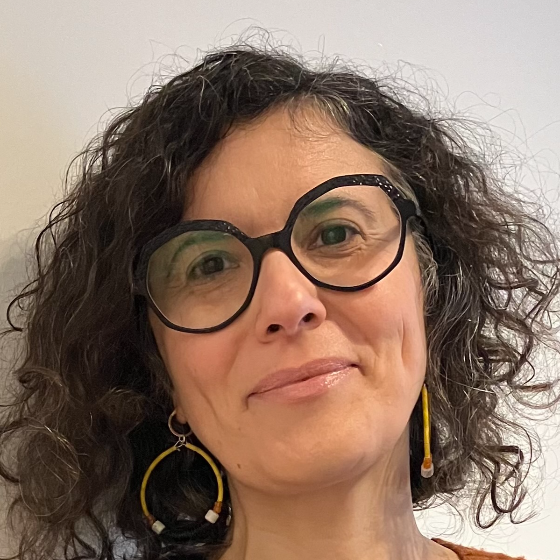
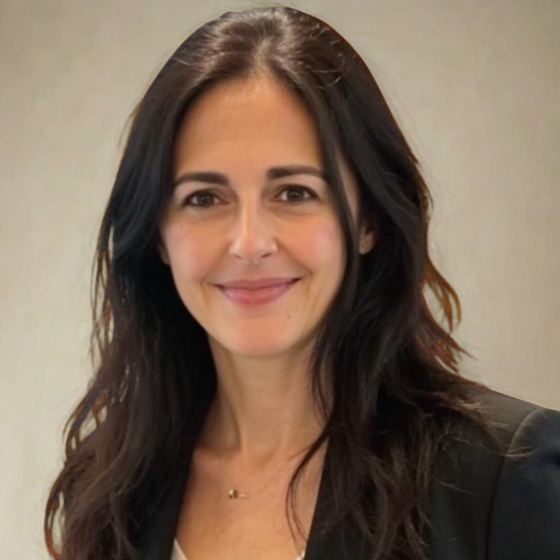
On Tuesday, March 10 at 9:00 a.m. EST-New York, we will be hosting another inspiring IFB Global virtual session: She Learns: Investing in Girls’ Education in Today's Afghanistan. This session will be led by the Womanity, Dalyan Foundation, and our very own Audrey Selian from the IFB and Rianta Capital.
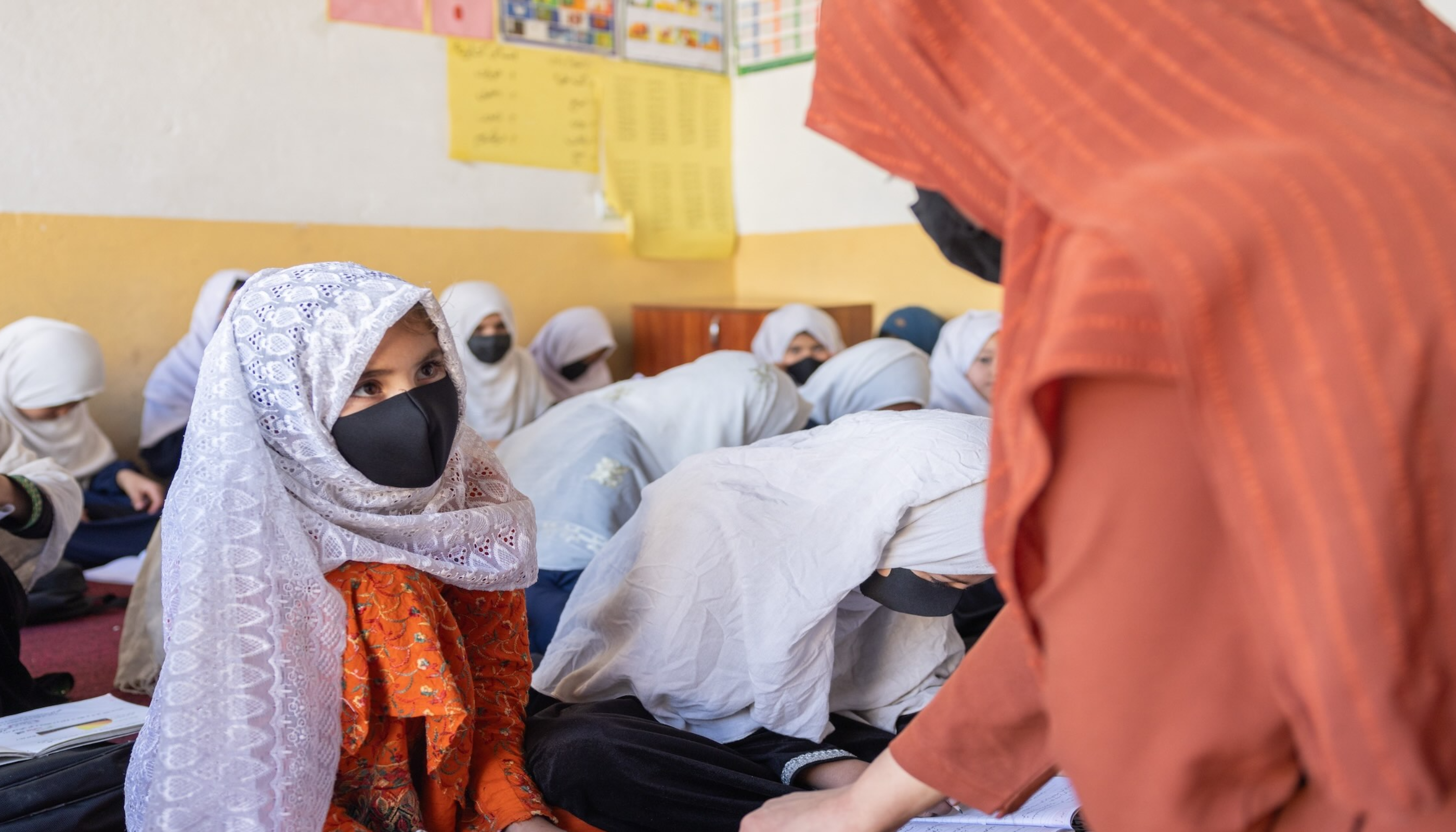
This conversation explores: Can girls go to school in Afghanistan? Can women work? The dominant media narrative suggests a simple “no,” yet the reality on the ground is far more nuanced. While severe restrictions on women and girls are real, uneven enforcement and community resistance have created limited but critical spaces where education can still happen—if approached carefully and responsibly.
Since 2007, Womanity has worked in Afghanistan, reaching over 39,000 girls and women through education, training, and vocational programmes. Today, Womanity’s Afghan-led team enables the organization to operate discreetly and safely, negotiating community-based solutions within strict boundaries.
Through the She Learns programme, Womanity supports girls’ primary education in 13 community-based classes and 15 public schools, covering teacher salaries and providing pedagogical mentoring. These efforts reach approximately 3,800 children, 80% of whom are girls. For young women, Womanity delivers training in computer science and English to at least 250 participants annually, partnering with respected Afghan private institutions to offer free, high-quality courses ranging from basic computer literacy to advanced coding.
Yet critical questions remain: how is it possible to operate in Afghanistan today? What risks does this involve, and how can they be navigated? The reality is complex. While the de facto authorities often present a unified front, internal fractions exist, and some policies are unpopular even within their own ranks. These fractures create limited but vital spaces where communities and NGOs can continue to work. In such an unstable environment, success depends on determination, flexibility, adaptability, and the ability to continuously adjust how projects are implemented on the ground.
So why does it matter to continue working in Afghanistan now? Because in fragile contexts, investing in girls’ education is not about immediate returns—it is about protecting the future. Every additional year of education strengthens a girl’s agency, reduces the risk of early marriage and child labour, and lays the foundation for long-term social and economic progress.
Core Themes & Questions
Who Should Attend?
Impact investors, funders, practitioners, and founders interested in gender equality, education in fragile contexts, and ground-up approaches to long-term social impact.
Takeaways
Zoom Link: https://us02web.zoom.us/meeting/register/i0YzhZIzRwS9MNxMd2T7ZQ
We look forward to your participation.
Keyvan & The IFB Global Team