

Global: Virtual breakfasts at all hours of the day.
The event has already taken place.
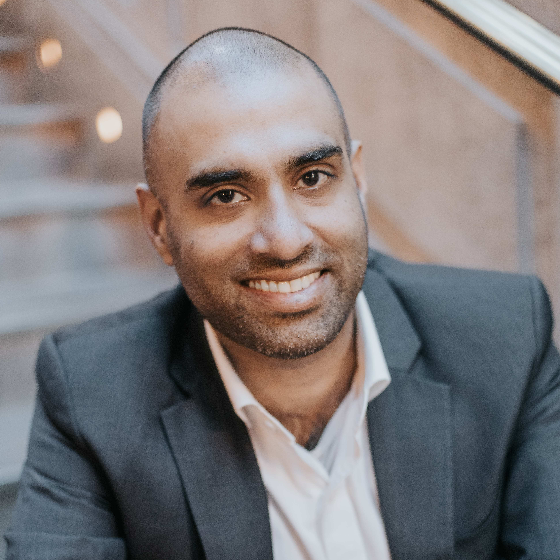
Joseph Naayem
+41 (0)786100640
joseph.naayem@kalmus.capital



Dear IFB Global Family,
On Thursday, March 12, 2026 at 09:00 a.m. EST-New York, we are hosting another inspiring global virtual session: Building the Seaweed Value Chain: Scaling Ocean-Based Alternatives to Plastics. This is the third session in our series, Making Complexity Investable: The Plastics Transition as a Systemic Case.
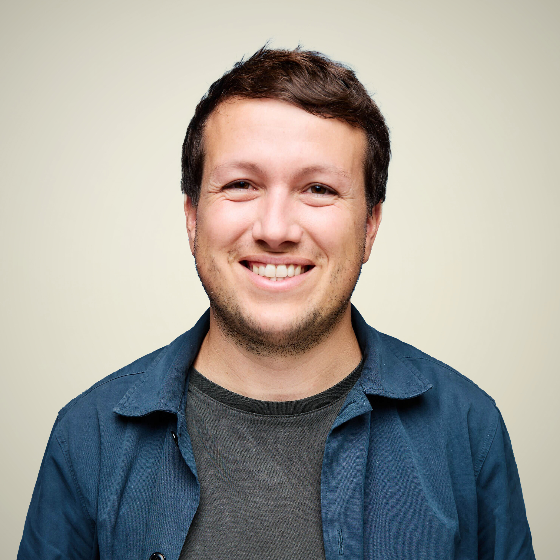
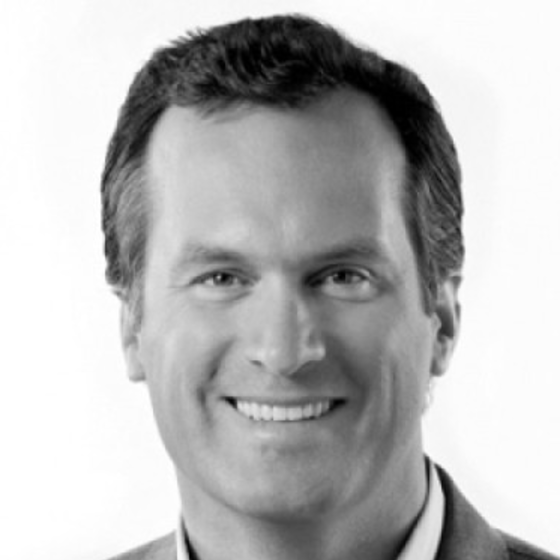
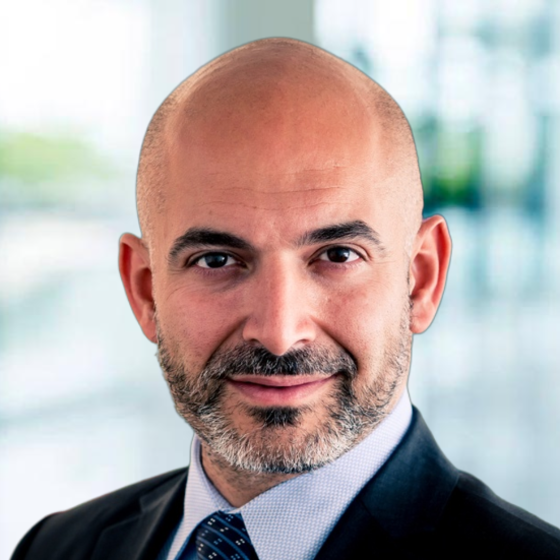
We will bring together companies building a seaweed‑based materials value chain to examine how ocean‑derived alternatives to plastics scale in practice. Pierre-Yves Paslier from Notpla, a downstream pioneer deploying seaweed packaging in food and consumer products, joins Geoff Chapin from Carbonwave, an upstream platform transforming ocean biomass into advanced biomaterials (e.g. agricultural biostimulants & cosmetics emulsifiers) with environmental and community co‑benefits. This conversation and the series are facilitated by our session one speakers Joseph Naayem from Kalmus Capital and Hari Balasubramanian from EcoAdvisors. Together, they will explore how capabilities are sequenced, standards emerge, and partnerships across industry, capital, and the public sector accelerate progress. This session offers a practical view of how ocean‑based, nature‑based materials reach mainstream relevance.
Core Themes & Questions
Who Should Attend
This session is designed for investors, family offices, and ecosystem builders who recognize that plastics are not just an environmental issue, but a system-design and capital-allocation challenge. It will be particularly relevant for participants with exposure to operating companies, supply chains, or regulated industries who face increasing pressure to respond to plastics transition risks but cannot act in isolation. The discussion is intended for those interested in how coordination, not just capital, determines whether large-scale transitions succeed.
Takeaways
Zoom Link: https://us02web.zoom.us/meeting/register/AZBt6ST3StyziQi_GIRryQ
We look forward to your participation.
Keyvan & The IFB Global Team